

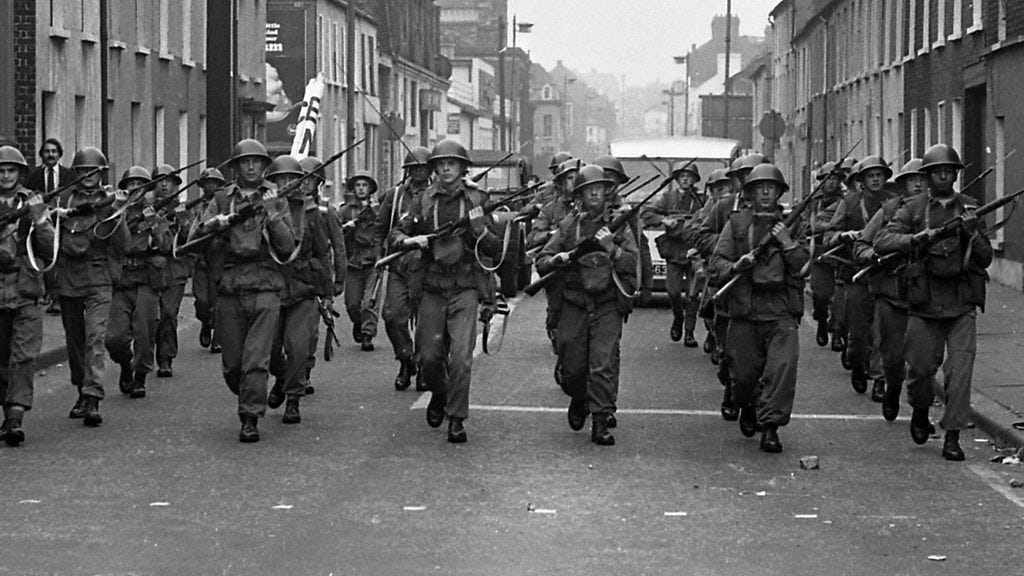
Politicians’ relationship with the armed forces sometimes appears almost abusive and certainly exploitative. MPs, Mayors, Councillors and those aspiring to these roles are very quick to lay wreaths, attend Freedom of the Borough marches and sit on top tables at veterans dinners. And these politicians will, of course, make speeches reminding us how my we own veterans for their service and sacrifice saying things like this for one MP:
“Thank you, to all who have served our great country and to all those who are serving.
Your service will always be greatly appreciated and remembered.
As a nation, we are thankful to all those who have made the ultimate sacrifice, and to the families who have lost loved ones - the whole country is with you.
We have the finest armed forces in the world and our contribution to international security is immense”
I’ve done my fair share of this virtue parading as a councillor and have witnessed the careful organisation of Remembrance Sunday wreath-laying across Bradford, a process designed to ensure that all the services - there are over 100 of them - who want one, get a representative of the city to lay a wreath. Because these ceremonies are public and popular, the wreath-laying sometimes becomes an argument, machinations take place so candidates get to appear, and that ever-so-boring dance of political performance is laid over the sombre remembering of fallen soldiers. Councils sign up to the ‘military covenant’ and appoint one or other elected member as a ‘veterans champion’ (providing another opportunity for political shenanigans). Political advantage is sought from the tabling of motions about veterans, the armed forces and remembrance. Almost all of this is done for the sake of show, for a sort of peacock parade for a borough’s great and good.
Don’t get me wrong, it is right that cities and boroughs respect the service we all get from those in the armed forces and remembering the fallen isn’t just a formality but an important reminder of the sacrifices and horrors of past wars and especially the two great wars of the 20th century. So setting wreaths from the Lord Mayor and City on cenotaphs and war memorials is the right thing to do despite the preening nonsense from politicians. And it is right that Bradford gave the Freedom of the City to the Duke of Wellington’s Regiment, and it is right that each year Armed Forces Day is marked by a veterans dinner and by formal statements of thanks for service from the first citizen on behalf of the City.
It is understandable that, in response to yet another piece of crass insensitivity from Donald Trump, all the politicians leap to the defence of Britain’s armed forces and the men who serve in them. But it is hard not to feel again that sense of exploitation and hypocrisy from many of those politicians now so keen to lay claim to the sacrifice of others. The quote I shared above is from Mike Tapp, the Labour MP for Dover who served himself. You have therefore to ask, if that sentiment is so important to him, why Tapp supported a law removing protection from elderly veterans who served in Northern Ireland? We are about to witness, courtesy of the human rights industry and its cynical, case-chasing lawyers, perhaps hundreds of former British soldiers targeted simply for having served in Northern Ireland. It isn’t sufficient to know that this completely compromises the functioning of today’s special forces as well as other parts of the intelligence and security services. We also need to recognise that this relitigation of past wars totally undermines the functioning of military discipline. Soldiers are not angels but the armed forces can and do manage the failings of their men.
At the same time as we act to protect soldiers, we should also guard against the use of veterans to valorise extreme nationalism. We should be a nation able to protect those who served us in war at the same time as offering respect and support for refugees. This is not a binary, an either/or. If there are veterans sleeping rough, this is a failure of public care not a consequence of immigrants being housed, as is also the case for the over 90% of street homeless who were not veterans. Yet too many want to suggest that supporting recent immigrants is somehow the reason for a former soldier lying cold, wet and probably drunk under some railway arches. This is just as exploiting and hypocritical as Labour and Lib Dem MPs voting to chase ex-soldiers through the courts in pursuit of some probably imagined and certainly best forgotten crime 50 or more years ago. Veterans are not pawns in some political game but men and women deserving of respect, honour and, where they need it, support.
I hope Britain carries on remembering and celebrating the job soldiers, sailors and airmen do to keep us safe. And that we continue to push back against crass bombasts like Donald Trump who question the value of that service. But I also hope that Labour and Lib Dem MPs, not to mention those cruel exploiting lawyers seeking to cash in on lawfare, take a moment to pause and reflect on what they’ve done by indulging the fantasies and myth-making of Irish Republicans who, when they aren’t calling for an imagined justice, are celebrating the terror and murder that the IRA visited on Britain and Ireland for 30 years from the 1960s. Perhaps too, the sort of walts who march with iron cross flags and claim to be patriots will stop trying to turn the problems of veterans into a political war cry justifying their objectionable and ignorant demonising of immigrants.
Those who serve in our armed forces do so knowing their country expects them, when ordered, to put their lives in danger to defend Britain and its allies. We should mark this service, remember those who died, and recognise that the defence of Britain requires dangerous men to do things that the rest of us can’t or won’t do. Sometimes too those dangerous actions break some rules. I remember speaking with one veteran who told the story of listening to a BBC broadcast from the deserts of Oman where the government was clear that there were no British troops in that desert. “No idea what we were doing there”, he said.
https://www.kiplingsociety.co.uk/poem/poems_beggar.htm